Wearables / Buyer Guide
Best Smartwatches 2026: Six Picks, With the Battery Claims Fact-Checked
Every smartwatch spec sheet leads with a battery number. Most of them are best-case figures. Here are the six watches worth buying in 2026 — ranked with published independent testing, not press releases.
The Short Version
- iPhone owner, money no object: the Apple Watch Ultra 3 ($799 list) is the consensus best smartwatch of 2026 — satellite connectivity, 5G, and a rated 42-hour battery that finally stretches past "charge nightly."
- iPhone owner, sane budget: the Apple Watch SE 3 ($249 list) runs the same S10 chip as the Ultra for less than a third of the price.
- Android: the Samsung Galaxy Watch 8 ($349.99 list) — reviewers consistently rank its sleep tracking best in class, and it's frequently discounted well below list.
- Battery above all: the OnePlus Watch 3 ($329.99 list) claims 120 hours, and independent testing actually confirms it.
Grab your pick: Ultra 3 ($799) → · SE 3 ($249) → · Galaxy Watch 8 ($349.99) → · OnePlus Watch 3 ($329.99) → · Amazfit Active 2 ($99) →
How We Evaluate Smartwatches
Loiter Point doesn't run a wearables lab, and we won't pretend otherwise. These rankings synthesize published independent testing — TechRadar's reviewers wear these watches for weeks against reference heart-rate monitors and industry-standard GPS units — plus verified owner reports. We weight the places where the rated spec and the real world diverge, and battery life is where they diverge most. Prices are list prices at publish; smartwatches discount constantly, so click through for live pricing.
 Click to zoom
#1 · Best Overall
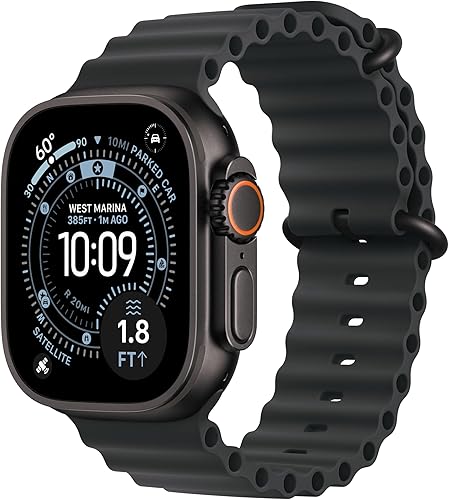
Apple Watch Ultra 3
$799list · iPhone only
The most capable smartwatch ever made, per essentially every published review: satellite connectivity, 5G, a 3,000-nit display, and dive-grade 100 m water resistance in a 3D-printed titanium case.
Battery — rated42 hours
Battery — reportedOutlasts the Series 11's 24 h; reviewers still call it the Ultra's weak spot
Display1.9" OLED · 3,000 nits
StandoutSatellite SOS + 5G, 100 m water resistance
 Click to zoom
#2 · Best Value Apple
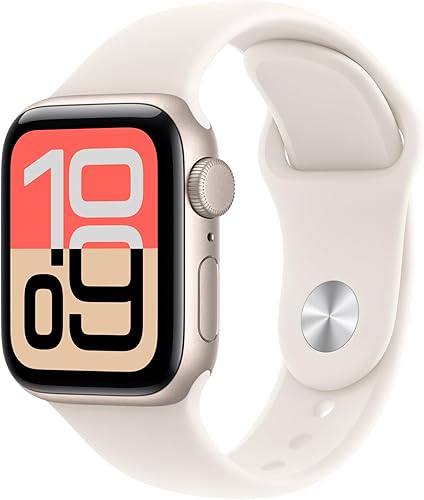
Apple Watch SE 3
$249list · iPhone only
Same S10 chip as the Ultra 3, always-on display (finally), fast charging, and watchOS 26's AI workout features. What you give up: ECG and blood-oxygen sensing.
Battery — rated18 hours
Reality checkNightly charging — the price of the Apple ecosystem below Ultra tier
ChipApple S10 (same as Ultra 3)
Missing vs. pricier modelsNo ECG, no blood oxygen
 Click to zoom
#3 · Best for Android
Samsung Galaxy Watch 8
$349.99list · Android only
Slimmed-down Ultra design, Exynos W1000 chip, and the sleep tracking reviewers consistently rank first. Works best with a Samsung phone; doesn't work with iPhone at all.
Battery — ratedUp to 30 hours
Street price noteDiscounts to ~$220 have been common at major sales — rarely worth paying full list
StandoutBest-in-class sleep tracking, run coaching
CaveatSeveral features are Samsung-phone-only
#4 · Battery King
OnePlus Watch 3
$329.99list · Android only
The rare spec sheet that survives contact with reviewers: TechRadar's testing found the 120-hour battery claim holds up in real use. Full Wear OS with all of Google's apps.
Battery — rated120 hours
Battery — independently tested"Definitely good for its 120-hour claims" (TechRadar)
Trade-offsBig and heavy · no LTE yet
StandoutBest Wear OS battery life on the market
 Click to zoom
#5 · Best for Pixel
Google Pixel Watch 4
$399list (41mm from $349.99)
New domed display, Gemini on the wrist, and a first for watertight smartwatches: a user-replaceable battery and screen. The right pick if you carry a Pixel.
Battery — rated36–40 hours
Known weak spotHeart-rate accuracy trails rivals in published testing
StandoutRepairable at home — battery and display
CaveatNew charger; old Pixel Watch chargers incompatible
 Click to zoom
#6 · Best Under $100
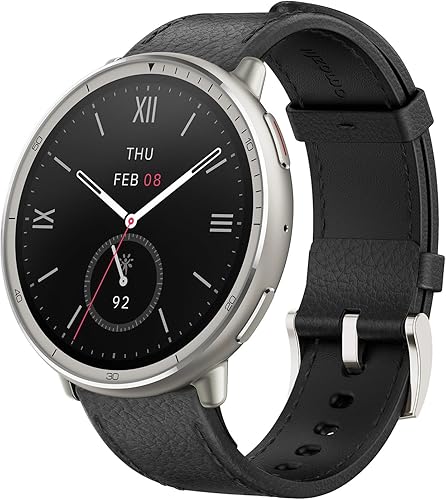
Amazfit Active 2
$99list · works with iPhone AND Android
A five-star budget shock: stainless steel design, 10-day rated battery, 164 sport modes, and it pairs with either phone platform — the only watch on this list that does.
Battery — ratedUp to 10 days
Battery — independently testedRated 5 days of heavy normal use "if not more" (TechRadar)
Trade-offsClunky strength-training mode · NFC costs $30 extra
StandoutCross-platform + the best value in wearables
⚡ Nerd Box: Why Battery Ratings Lie (Legally)
A smartwatch battery rating is produced under a defined usage script — a fixed number of notifications, limited GPS, display mostly off. Turn on the always-on display and the math changes brutally: the Garmin Venu X1 is rated for 8 days, but TechRadar's review found always-on mode drops it to "just a few days," recovering to about a week with raise-to-wake. Same watch, same battery, 100%+ swing based on one setting.
The honest way to read battery specs: treat the rated number as a ceiling, assume ~30–50% less with the features you actually want turned on, and prize the rare claims that independent testing confirms at face value — which is exactly why the OnePlus Watch 3's verified 120 hours earns its slot above watches with better screens.
All six, one table
| Watch | List | Battery (rated) | Works with | Best for |
|---|---|---|---|---|
| Apple Watch Ultra 3 | $799 | 42 h | iPhone | Best overall |
| Apple Watch SE 3 | $249 | 18 h | iPhone | Apple on a budget |
| Galaxy Watch 8 | $349.99 | 30 h | Android | Android + sleep tracking |
| OnePlus Watch 3 | $329.99 | 120 h (verified) | Android | Battery life |
| Pixel Watch 4 | $399 | 36–40 h | Android | Pixel owners |
| Amazfit Active 2 | $99 | 10 days | Both | Budget / cross-platform |
Also strong but not ranked: the Garmin Venu X1 ($799.99) if serious training metrics matter more than smart features — see the nerd box for its battery reality.
Bottom Line
Your phone picks your smartwatch: iPhone means Apple Watch (SE 3 for most people, Ultra 3 if you'll use the endurance and satellite features), Samsung phone means Galaxy Watch 8, Pixel means Pixel Watch 4. The two wildcards are worth knowing: the OnePlus Watch 3 if charging every night offends you, and the $99 Amazfit Active 2 if you want 80% of the experience for 12% of Ultra money — it's the only pick here that works with either phone.
Sources:
TechRadar's best smartwatch guide (June 2026; battery testing, spec table, and per-model reviews) · manufacturer specifications. List prices as of July 2026; live prices vary.